Storm season in Connecticut does not wait for you to be ready. An afternoon spent on this list before the first real system arrives is worth more than a weekend spent on repairs afterward. Have you checked the things that fail first when the next storm hits?
1. Walk the house and find its weak points
Roof. Look for missing or damaged shingles, cracks and wear, and make sure it is properly sealed. Get a professional inspection if anything looks questionable. Windows and doors. Check seals and weather stripping, fit storm shutters or impact-resistant windows if you are in a exposed spot, and reinforce doors with heavy-duty hinges and locks against high wind. Foundation. Cracks and gaps let water in and weaken the structure. Seal them with a good filler or hydraulic cement.
2. Get the yard in order
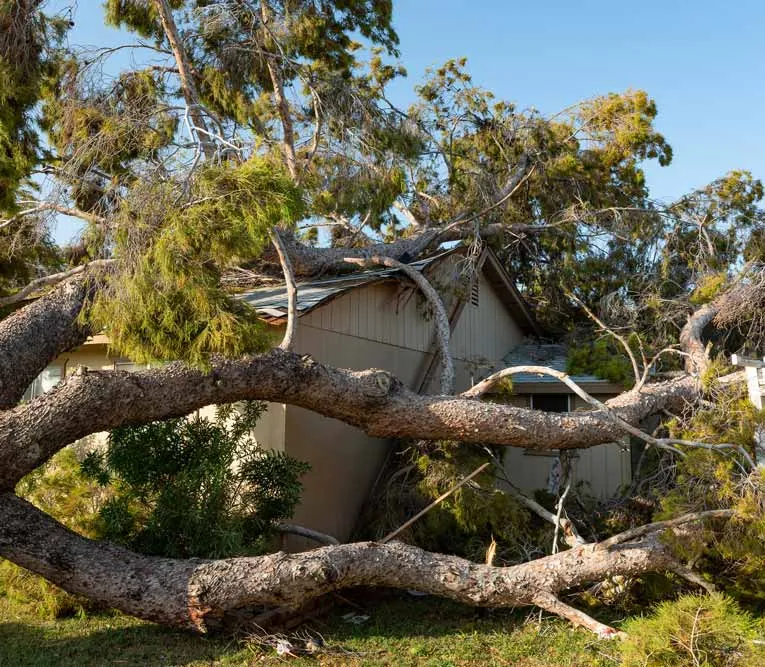
Strap or bring inside anything the wind can throw: furniture, garden tools, decorations. Trim overhanging branches and remove dead or weakened trees that could come down on the house or the power lines. Clean the gutters and downspouts so heavy rain has somewhere to go.
3. Strengthen the outside of the building
The garage door is one of the most vulnerable parts of a house in wind, so brace it horizontally or fit a wind-resistant model. Seal gaps around pipes, vents and cables with caulk or foam. A water-resistant coating on the exterior helps shed heavy rain and wind-driven water.
4. Prepare for the power going out
Stock non-perishable food, bottled water, flashlights, batteries and a battery-powered or hand-crank radio. Test the generator before you need it and know you have enough fuel. Generators run outside and well away from windows, because carbon monoxide is the part people forget.
5. Write the plan down
Everyone should know what happens in a storm: where you meet, how you reach each other, and which numbers you call. Put together a kit with a first-aid supplies, medications, important documents and a change of clothes, somewhere you can grab it in the dark.
6. Keep the alerts on
Follow local news and weather alerts, and sign up for emergency alerts from your town so severe weather and evacuation orders reach you directly. Know whether your property is in a flood zone, and consider flood insurance if it is high risk.
Why the checklist is worth the afternoon
Preparing a house for storm season is a combination of small jobs and vigilance: inspecting it, securing it, strengthening the outside, being ready for the power to go out, and staying informed. Do those and the storm is weather rather than damage, and your family is not learning where the flashlights are at nine at night with the wind up.
If a storm does get the better of the house, JP Maguire handles storm damage restoration across Connecticut. Call 877-576-2484.
Where to go from here
If this is happening in your house right now, these are the pages Connecticut homeowners reach for, each one saying what the work involves and how to get a crew rolling: water damage restoration. Water extraction, drying, then the rebuild. fire damage restoration. Soot, smoke odour, and putting the rooms back. mold remediation. Finding it, containing it, and removing it properly. storm damage restoration. Wind damage, fallen trees, emergency tarping. burst pipe repair. Stopping the leak, then repairing what it reached. 24/7 emergency restoration. A person on the phone, any hour of the night.
Also from the blog: Prepare for a Connecticut Storm, Ride It Out, Then Assess, Get Your Patio Ready Before the Storm Hits and More on storm preparation.