Most homeowners find out what their policy actually covers at the worst possible time: standing in a damaged living room, on the phone with an adjuster, hoping the answer is yes. The start of the year, before anything has gone wrong, is a much better time to find out.
Fire Damage: Generally Well Covered
Standard homeowners insurance policies typically cover fire damage, including the structure, personal belongings, and additional living expenses if the home is temporarily uninhabitable. This is one of the more straightforward categories of coverage. The complexity shows up in the claim process itself: a large fire loss can take several weeks to several months to settle in full simply because of the scope of the damage and the volume of personal property involved.
Water Damage: Covered, With a Major Exception
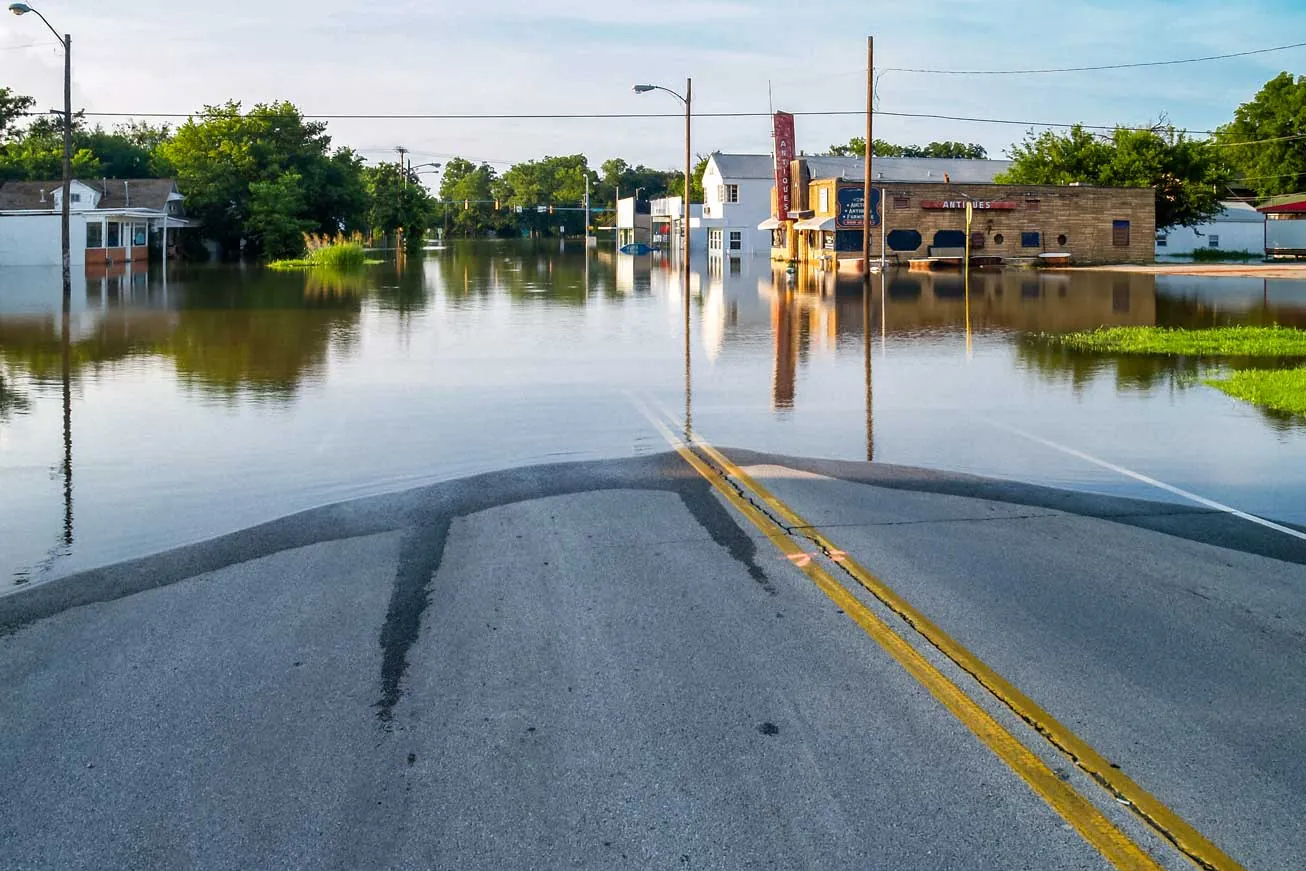
This is where most homeowners get surprised. Standard policies generally cover water damage from sudden, accidental sources inside the home, a burst pipe, an overflowing washing machine, a failed water heater. What they typically do not cover is flooding from an external source: storm surge, a rising river, or groundwater intrusion. That requires separate flood insurance, usually through the National Flood Insurance Program, and it is a common and expensive gap for Connecticut homeowners who assume storm damage is storm damage regardless of where the water came from.
Gradual leaks and neglect are the other major exclusion. A pipe that has been slowly weeping behind a wall for six months, causing damage the homeowner never noticed or reported, is treated very differently by insurers than a pipe that burst suddenly last Tuesday.
How the Deductible Actually Changes the Decision
Any payout is the covered damage amount minus your deductible, and that math determines whether filing is even worth it. If your deductible is $1,000 and the damage comes to $1,200, filing a claim for a $200 net payout, while it goes on your claims history, is rarely worth it. Average water damage claims in the U.S. run around $2,500 for a minor incident and well into five figures for a flooded basement or major event, which is why documenting the full scope of the damage before deciding whether to file matters.
What to Actually Do This Month
- Pull your policy and read the water damage and fire damage sections specifically, not just the summary page
- Confirm whether you have separate flood coverage if you are anywhere near a flood zone
- Know your deductible amount before you need to do the math under pressure
- Save your insurance company's claims phone number somewhere you will actually find it
JP Maguire Associates works directly with insurance adjusters on both fire and water damage claims across Connecticut, and can walk you through what a specific loss is likely to involve before you file. Knowing the answer in January is a lot less stressful than finding out during an active claim.