Snowstorms and cold get all the attention in a Connecticut winter. The damage that costs real money usually comes from somewhere else: a pipe that froze in the wall, an ice dam you did not see form, or meltwater with nowhere to go. Five winter water threats, and how to shut each one down. Do you know where winter water gets into your house, and what it does once it is in?
1. Frozen pipes and burst lines
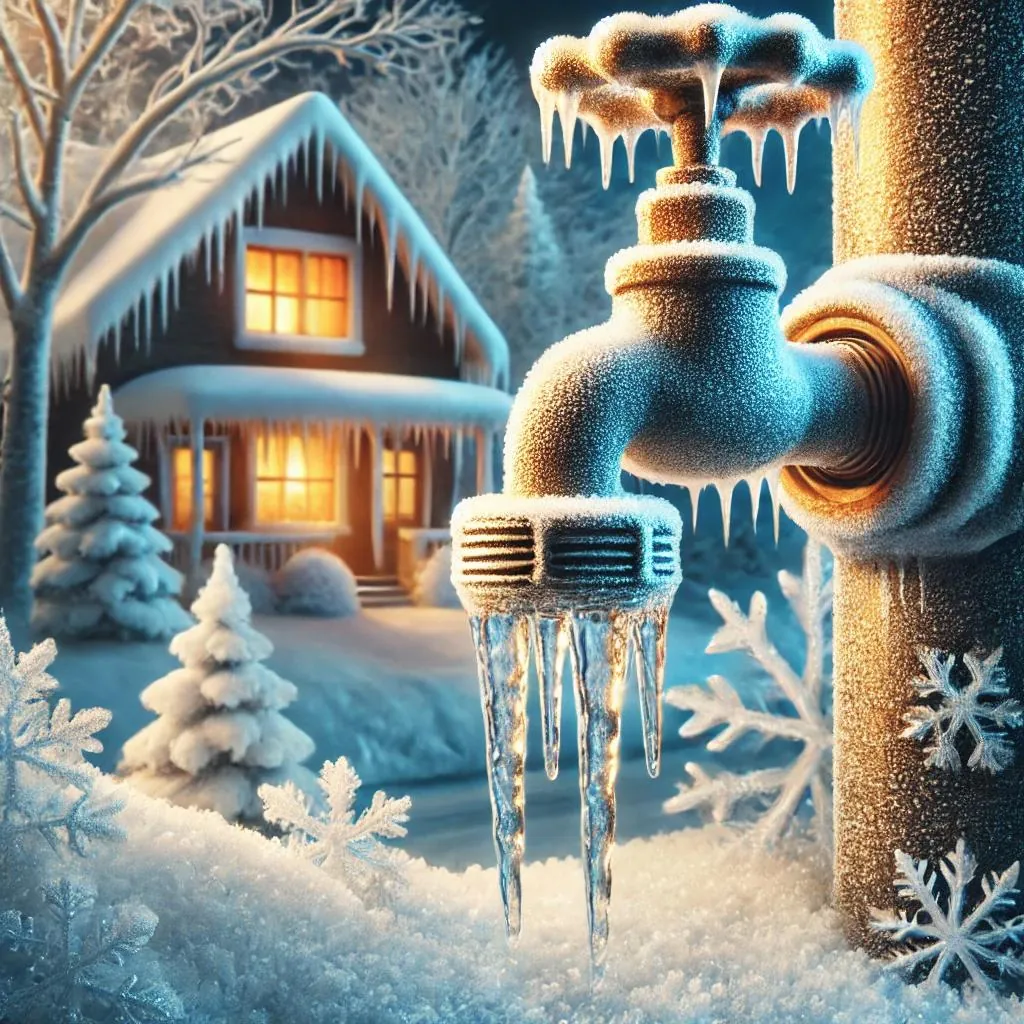
Below freezing, water in a pipe freezes and expands, pressure builds, and eventually the pipe gives. That can happen to exposed runs in basements, attics and crawl spaces, and to pipes inside walls where you cannot see it.
The nasty part is where the water goes. A burst line floods walls, flooring and furniture, and because the water runs behind walls or under floors it can go unnoticed for hours or days. That is how a burst pipe turns into a mold job.
Insulate pipes in unheated areas: basements, crawl spaces, attics. Keep the house temperature consistent overnight, and never let it drop below 55 degrees, even if you are away. Let faucets drip slightly in extreme cold to relieve pressure. With an unheated garage, leave cabinet doors open so warmer air reaches the pipes under the sinks. Heating cables are worth installing where freezing keeps happening.
2. Ice dams and roof leaks
Heat escaping into the attic melts the snow on the roof. It runs down and refreezes at the eaves, where a solid dam of ice builds up. Water then backs up behind the shingles and into the attic and walls. By the time you see it on the ceiling, it has already been through the roofing, the insulation and the drywall, and it brings rot and mold with it.
Ventilate and insulate the attic so warm air stops escaping upward. Keep gutters clear so meltwater can run off instead of backing up. Heated cables along the roofline stop ice forming in the first place. Watch the eaves for icicles: they are the early warning.
3. Melting snow
A sudden warm-up after a heavy storm puts a lot of water on the ground fast. Where it has nowhere to drain, near the foundation, in the basement, past a poorly sealed window, it goes into the house instead. Standing water finds cracks in the foundation and feeds mold in the damp corners of the house.
Keep gutters and downspouts clear and carrying water away from the foundation. Check window and door seals for gaps. Fit a sump pump if the basement does not have one. Get valuable and sensitive items up off the basement floor.
4. Condensation and mold
Warm inside, cold outside, and the difference lands as condensation on windows, pipes and basement walls. Left alone, that moisture grows mold, which damages drywall, insulation and wood and causes respiratory problems and allergic reactions.
Hold indoor humidity between 30 and 50 percent, with a dehumidifier where moisture collects. Make sure the ventilation is working, especially in bathrooms and kitchens. Use a moisture barrier in crawl spaces and basements. Fix leaks the day you find them, particularly in the wet rooms.
5. A sump pump that freezes
The pump is what keeps the basement dry, and in a hard freeze the pump itself can freeze, which is exactly when snowmelt and rain are trying to get in. Check that the discharge pipe runs clear of the foundation and is not blocked by ice or debris, and insulate the pipework in the coldest parts of the house.
The short version
Five threats, five unglamorous defenses: insulate the pipes and hold the house temperature, ventilate the attic and keep the gutters clear, keep water moving away from the foundation, hold indoor humidity between 30 and 50 percent, and check that the sump pump can actually run when it is needed. None of it takes a contractor, and all of it is cheaper than the repair it prevents.
If winter gets the house anyway
JP Maguire handles the whole sequence: assessment, cleanup, drying, restoration and repair, with the equipment to get moisture out of the structure rather than just the surface. If water gets in this winter, call 877-576-2484 and we will start the same day.
Where to go from here
If this is happening in your house right now, these are the pages Connecticut homeowners reach for, each one saying what the work involves and how to get a crew rolling: water damage restoration. Water extraction, drying, then the rebuild. fire damage restoration. Soot, smoke odour, and putting the rooms back. mold remediation. Finding it, containing it, and removing it properly. storm damage restoration. Wind damage, fallen trees, emergency tarping. burst pipe repair. Stopping the leak, then repairing what it reached. 24/7 emergency restoration. A person on the phone, any hour of the night.
Also from the blog: Does Your Homeowners Insurance Actually Cover Fire and Water Damage?, How to Stop Ice Dams Before They Leak Into Your House and More on water damage.